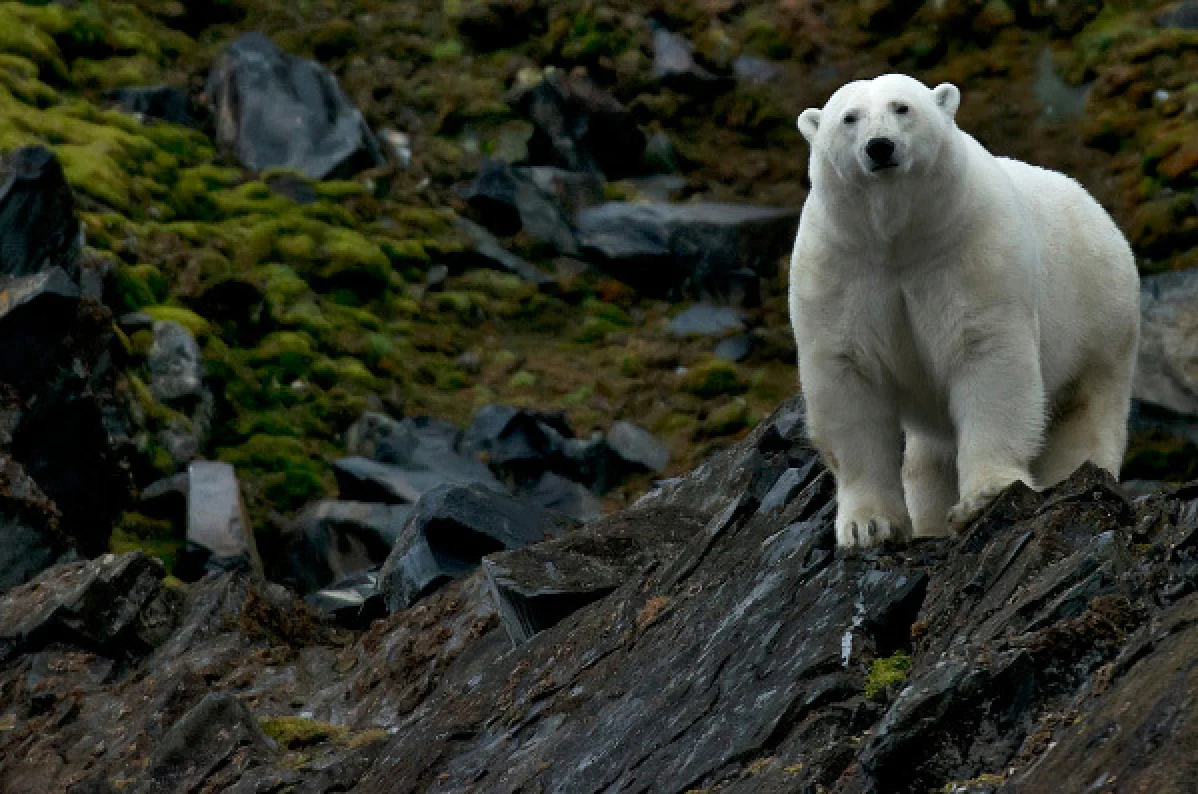
zClimate change isn’t some distant threat—it’s here, reshaping the world we live in right now. I’ve watched news footage of blistering heatwaves in Europe, devastating floods in Pakistan (close to home for many in Lahore), and polar bears struggling on shrinking ice in the Arctic. These aren’t isolated stories; they’re connected by one thing: our planet is warming faster than at any point in human history, largely because of us. Understanding what climate change really is, what drives it, and how it hits humans and animals hard can feel overwhelming, but it’s the first step toward doing something about it.
What Exactly Is Climate Change?
Climate change refers to long-term shifts in temperature, precipitation, wind patterns, and other aspects of Earth’s climate system. While the climate has always varied naturally, the current rapid changes are driven primarily by human activities since the Industrial Revolution.
The core mechanism is the greenhouse effect gone into overdrive. Gases like carbon dioxide (CO₂), methane (CH₄), and nitrous oxide trap heat in the atmosphere, much like a blanket around the planet. Without this natural effect, Earth would be too cold for life as we know it. But we’ve thickened that blanket dramatically.
Today, global temperatures have risen about 1.4°C above pre-industrial levels (as of recent 2025 data), with 2025 ranking among the top three warmest years on record. This isn’t just numbers—it’s longer heat seasons, more intense storms, and ecosystems pushed to their limits.
Main Causes of Climate Change
The biggest culprit? Burning fossil fuels—coal, oil, and gas—for energy, transportation, and industry. These release massive amounts of CO₂ and other gases.
Deforestation plays a huge role too. Trees absorb CO₂; when we cut them down for agriculture or urban expansion, not only do we lose that sink, but the stored carbon gets released.
Agriculture and livestock contribute through methane from rice paddies, enteric fermentation in cows, and nitrous oxide from fertilizers.
Other factors include industrial processes, waste management (landfills release methane), and even natural events like volcanoes—but human sources dominate, accounting for over 90% of recent warming.
- Fossil fuels: ~75% of emissions
- Deforestation and land use: ~12-15%
- Agriculture: ~10-12%
These aren’t abstract stats. Think about driving in Lahore’s traffic or powering homes with coal-heavy grids—small daily choices add up globally.
How Climate Change Impacts Humans
The effects on people are direct and often heartbreaking. Heatwaves kill thousands annually; the elderly, children, and outdoor workers suffer most.
Extreme weather—floods, droughts, cyclones—displaces millions. In 2025, events linked to climate trends affected livelihoods worldwide, from crop failures in Africa to infrastructure damage in Asia.
Food security suffers as droughts reduce yields and floods ruin harvests. Water scarcity hits hard in already dry regions like parts of Punjab.
Health takes a hit: spreading diseases (malaria, dengue shifting ranges), air pollution worsening respiratory issues, and mental strain from disasters.
Sea-level rise threatens coastal cities. Low-lying areas face salinization of farmland and forced migration.
Economically, damages run into trillions—lost productivity, insurance claims, rebuilding costs.
Here’s a quick comparison of key human impacts:
| Impact Area | Short-Term Effects | Long-Term Effects | Vulnerable Groups |
|---|---|---|---|
| Heat & Health | Heatstroke, dehydration | Increased heart/lung disease | Elderly, outdoor laborers |
| Food & Water | Crop failures, shortages | Chronic hunger, migration | Farmers, low-income communities |
| Extreme Weather | Floods, storms destroying homes | Permanent displacement | Coastal, rural populations |
| Disease Spread | More vector-borne outbreaks | New pandemics risk | Tropical regions, children |
It’s not doom—adaptation like better irrigation or early warnings helps—but without cutting emissions, these worsen.
I remember stories from family in rural areas: unpredictable monsoons ruining crops one year, drought the next. It’s personal, not just global.
How Climate Change Impacts Animals and Wildlife
Animals feel it acutely—they can’t just move cities or build dams. Habitats shift faster than many species can adapt.
Rising temperatures force migrations: birds arrive too early for food, pollinators mismatch with blooming plants (phenological mismatch).
Coral reefs bleach from warmer oceans—vital for marine life, supporting billions in fisheries.
Polar species like bears lose hunting platforms as sea ice melts.
Extreme events kill directly: floods drown wildlife, wildfires incinerate habitats.
Biodiversity loss accelerates—up to 1 million species at risk of extinction.
Human-wildlife conflict rises: drought pushes animals into farms for water/food, leading to retaliatory killings.
Examples include lions in Tanzania attacking after prey flees floods, or polar bears raiding communities.
Pros and cons of wildlife adaptation:
Pros of natural adaptation:
- Some species shift ranges successfully
- Resilient populations evolve traits
Cons:
- Many can’t keep pace
- Fragmented habitats block migration
- Combined stressors (pollution, hunting) amplify harm
It’s a chain: lose pollinators, lose plants, lose herbivores, lose predators—ecosystems unravel.
People Also Ask (Common Questions from Searches)
What is the main cause of climate change?
Human activities, especially burning fossil fuels and deforestation, release greenhouse gases that trap heat.
How does climate change affect daily life?
It brings more extreme weather, higher food prices, health risks from heat/disease, and water shortages in many areas.
Can animals adapt to climate change?
Some can shift habitats or behaviors, but many face extinction risks due to rapid changes outpacing adaptation.
Is climate change reversible?
We can limit worsening by slashing emissions now, but some effects (like ice melt) are locked in for centuries.
What can individuals do about climate change?
Reduce energy use, eat less meat, support renewables, plant trees, vote for green policies—small actions multiply.
Frequently Asked Questions (FAQ)
1. Is climate change real and caused by humans?
Yes—overwhelming scientific consensus from bodies like IPCC, NASA, and UN shows human emissions drive current rapid warming.
2. How much has the Earth warmed recently?
About 1.4°C since pre-industrial times, with 2025 among the hottest years, accelerating impacts.
3. Will climate change make some places uninhabitable?
Yes—parts face deadly heat, sea rise submerging islands, or desertification, displacing millions.
4. What’s the difference between weather and climate?
Weather is day-to-day; climate is long-term patterns. We’re changing the climate baseline.
5. How can we stop or slow climate change?
Shift to renewables, conserve energy, protect forests, adopt sustainable agriculture—global cooperation via agreements like Paris is key.
Climate change feels big, but it’s made of countless small choices. I’ve seen communities in Punjab adapt with rainwater harvesting or solar pumps—hope lies there. We know the causes, feel the impacts on people and animals alike. The question now is action: for our kids, for wildlife, for the planet we share. What step will you take today?