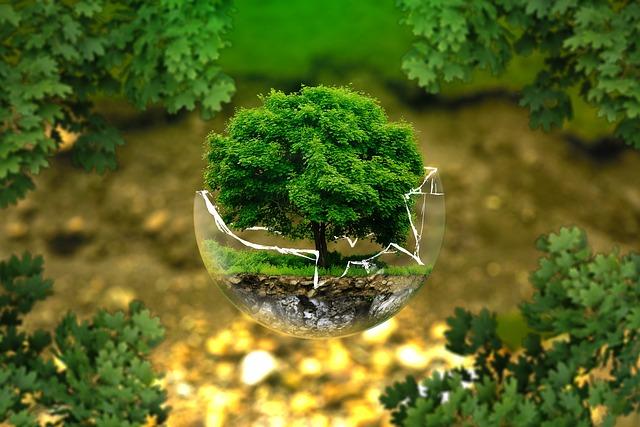
The environment isn’t just the backdrop to our lives—it’s the very foundation. Think about the last time you took a deep breath of fresh air after a rain or watched a sunset paint the sky. Those moments remind us how deeply connected we are to this planet. Yet, right now, in 2026, that connection feels more fragile than ever. We’ve pushed the Earth’s systems to their limits, and the consequences are no longer distant threats—they’re here, affecting our food, our health, our homes, and our future generations.
I remember a trip to the northern areas of Pakistan a few years back. The glaciers that fed rivers for centuries were shrinking visibly, faster than locals could adapt. Farmers told stories of changing seasons disrupting planting cycles, leading to crop failures. It hit me hard: this isn’t just “environmental” stuff—it’s about people’s livelihoods, families, and survival. The environment is our shared responsibility, and securing our shared future depends on acting together, now.
Why the Environment Matters to Every One of Us
The planet provides everything we need: clean air, water, food, materials, and even the climate stability that lets civilizations thrive. Without healthy ecosystems, those basics crumble.
But human activities have disrupted the balance. From burning fossil fuels to clearing forests and generating waste, we’ve accelerated changes that nature struggles to keep up with.
The Triple Planetary Crisis: Climate Change, Biodiversity Loss, and Pollution
Scientists describe today’s biggest threats as a triple planetary crisis—climate change, biodiversity loss, and pollution—interlinked and feeding off each other.
Climate change drives extreme weather, while biodiversity loss weakens nature’s resilience, and pollution poisons air, water, and soil. Tackling one without the others won’t work; we need integrated solutions.
Current Snapshot (as of 2026):
- Global temperatures continue rising, with recent years among the hottest on record, pushing us closer to or beyond key thresholds.
- Biodiversity declines rapidly, with species populations dropping sharply over decades due to habitat destruction and warming.
- Pollution, including plastics and chemicals, affects ecosystems worldwide.
Understanding Climate Change: The Driving Force
Climate change stems mainly from greenhouse gases like CO₂ trapping heat in the atmosphere. Since the Industrial Revolution, we’ve added massive amounts through energy use, deforestation, and industry.
Effects include more intense heatwaves, storms, droughts, and rising seas. In places like Punjab, floods and erratic monsoons have become more common, damaging crops and displacing communities.
The good news? We know how to curb it: shift to renewables, improve efficiency, and protect carbon sinks like forests.
Biodiversity Loss: Losing Nature’s Web
Biodiversity—the variety of life—underpins everything. Healthy ecosystems regulate climate, purify water, pollinate crops, and provide medicines.
Yet, we’re in the midst of a sixth mass extinction, driven by habitat loss, overexploitation, climate shifts, and pollution. Over a million species face extinction risk.
In Pakistan, species like the snow leopard and Indus River dolphin struggle as habitats shrink. Losing them ripples outward, affecting tourism, fishing, and ecological balance.
Pollution: The Silent Invader
From plastic choking oceans to air thick with particulates in cities like Lahore, pollution harms health and ecosystems.
Chemical waste contaminates soil and water, while microplastics enter food chains. The crisis links directly to climate and biodiversity—polluted environments can’t sequester carbon or support diverse life.
Our Shared Responsibility: From Individuals to Governments
No single person or country caused this alone, so no one can fix it alone. Responsibility is shared but differentiated—wealthier nations bear more historical burden, while everyone contributes today.
Individual Actions Add Up
- Reduce, reuse, recycle to cut waste.
- Choose energy-efficient appliances and public transport.
- Support local, sustainable products.
- Plant trees or join cleanups.
I started small: switching to reusable bags and cutting single-use plastics. It felt insignificant at first, but seeing neighbors do the same built momentum in my community.
Corporate and Governmental Roles
Businesses must adopt green practices, while governments enforce policies like emissions standards and protected areas.
International agreements, such as the Paris Agreement and biodiversity frameworks, provide blueprints, but implementation lags.
Successful Examples of Collective Action
Look at global reforestation efforts or community-led conservation. In some regions, payments for ecosystem services reward landowners for protecting forests.
The Kunming-Montreal Global Biodiversity Framework sets ambitious targets, like conserving 30% of lands and seas.
Renewable energy growth shows what’s possible—solar and wind costs have plummeted, making clean transitions feasible.
Challenges We Face in Building a Shared Future
Geopolitical tensions slow cooperation. Developing nations need finance and tech to leapfrog dirty development.
Short-term economic pressures favor exploitation over sustainability.
Yet, solutions offer co-benefits: green jobs, healthier communities, resilience.
Practical Steps for a Sustainable Future
Individual Level
- Audit your carbon footprint.
- Eat more plant-based, reduce food waste.
- Conserve water and energy.
Community Level
- Organize local cleanups or advocacy.
- Support eco-friendly businesses.
Global Level
- Push for stronger policies.
- Invest in nature-based solutions.
Comparison of Lifestyle Choices Impact
| Choice | Environmental Impact | Personal Benefit |
|---|---|---|
| Driving vs. Public Transport | High emissions vs. Lower | Saves money, reduces stress |
| Meat-heavy vs. Plant-based Diet | High land/water use vs. Lower | Healthier, often cheaper |
| Single-use Plastics vs. Reusables | Pollution buildup vs. Reduction | Less clutter, cost savings |
Pros and Cons of Key Solutions
Renewable Energy Transition
- Pros: Reduces emissions, creates jobs, energy independence.
- Cons: Upfront costs, grid upgrades needed, intermittency issues.
Protected Areas Expansion
- Pros: Safeguards biodiversity, carbon storage, tourism revenue.
- Cons: Conflicts with local land use, enforcement challenges.
People Also Ask (Common Questions)
What is shared responsibility for the environment?
It means everyone—from individuals to governments—plays a role based on capability and impact. Wealthier emitters lead in cuts, while all adopt sustainable habits.
Why is the environment everyone’s responsibility?
We all depend on it for survival. Collective action prevents tipping points where recovery becomes impossible.
How can individuals help protect the environment?
Start with daily choices: conserve resources, reduce waste, support green policies, and educate others.
What are the main causes of environmental degradation?
Fossil fuels, deforestation, overconsumption, pollution, and unsustainable agriculture.
Can technology solve environmental problems?
It helps—renewables, efficient tech—but needs paired with behavior change and policy.
FAQ
1. What does “our shared future” mean in environmental terms?
It refers to ensuring the planet remains habitable and prosperous for coming generations through collective stewardship today.
2. How does climate change affect biodiversity?
Warming shifts habitats, causes extreme events, and disrupts ecosystems, leading to species loss and reduced resilience.
3. Is individual action enough, or do we need systemic change?
Both. Personal steps build awareness and pressure, but systemic shifts via policy and industry are essential for scale.
4. What role do developing countries play?
They suffer disproportionate impacts yet emit less historically. They need support for green development while contributing to global efforts.
5. Where can I learn more or get involved?
Check UNEP, IPCC reports, local NGOs, or global campaigns like ActNow. Start with small actions and connect locally.
The environment isn’t a “nice-to-have”—it’s our life support. We’ve damaged it, but we can heal it. Every choice counts, every voice matters. Let’s embrace this shared responsibility and build a future where nature and humanity thrive together. The clock is ticking, but hope lies in our collective will.