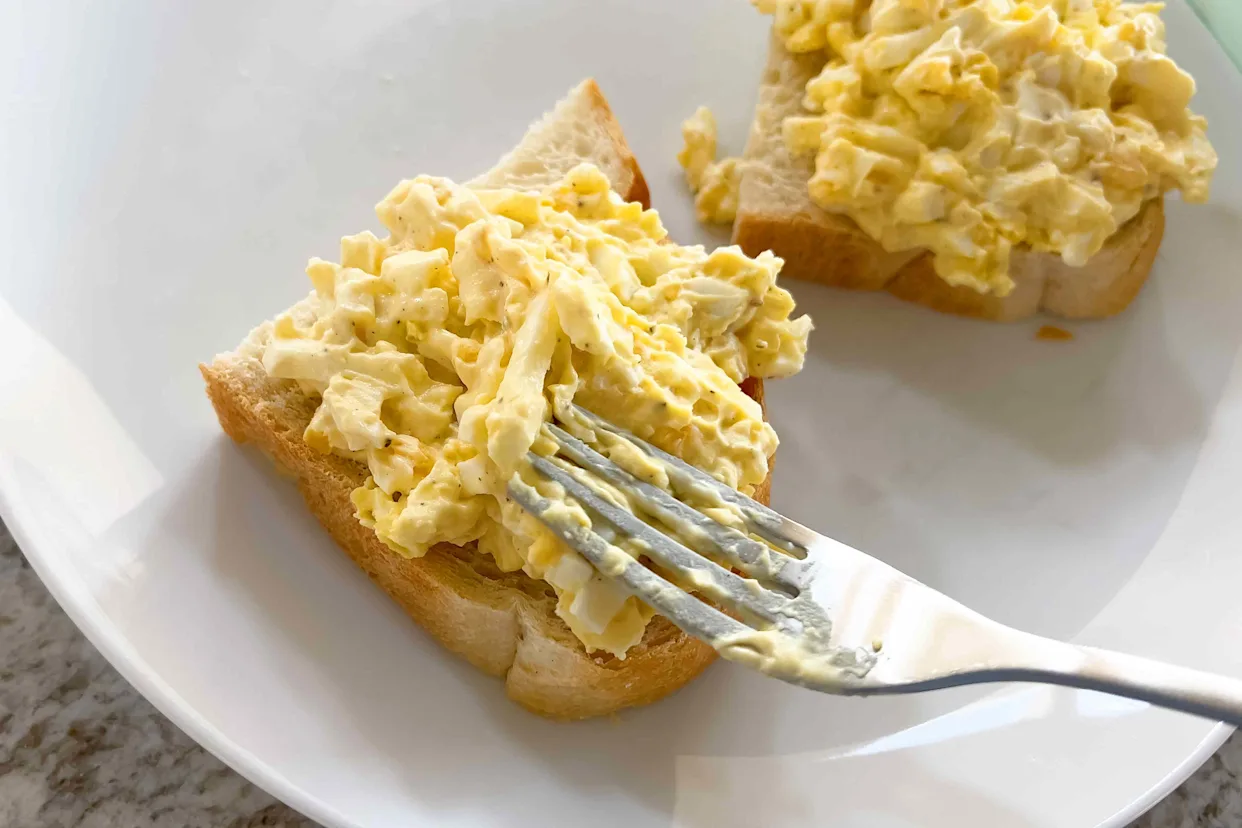
I’ll never forget that sunny Saturday morning a few years back when I decided to whip up a big batch of egg salad for a family picnic. There I was, standing in my kitchen, surrounded by a dozen hard-boiled eggs that I’d just peeled after what felt like an eternity of cracking shells and picking off tiny bits. The real frustration kicked in when it was time to chop them—eggs rolling around on the cutting board, uneven pieces flying everywhere, and my knife getting all gunked up with yolk. It was messy, time-consuming, and honestly, a bit of a buzzkill for what should’ve been a simple task. That’s when a friend casually mentioned this genius trick she’d seen online, and let me tell you, it changed everything. No more chasing egg chunks or dealing with inconsistent sizes. If you’ve ever felt the same pain, stick with me here—this hack is a game-changer for anyone who loves egg salad but hates the prep work.
Why Chopping Eggs the Traditional Way Can Be a Hassle
Let’s be real: hard-boiled eggs are slippery little things. When you try to dice them with a knife on a flat surface, they tend to wobble and slide, making it hard to get uniform pieces without a lot of effort. Plus, the yolks can crumble unevenly, sticking to your blade and turning what should be a quick chop into a sticky ordeal. It’s no wonder so many home cooks dread this step, especially when making larger quantities for salads or sandwiches.
The Genius Trick: Pressing Eggs Through a Wire Cooling Rack
This simple method uses something you probably already have in your kitchen—a basic wire cooling rack—to turn peeled eggs into perfectly chopped bits in seconds. Instead of slicing one by one, you just press the eggs through the grid, and they come out diced evenly on the other side. It’s efficient, mess-free, and gives you consistent results every time, whether you’re prepping for a single sandwich or a crowd-pleasing bowl.
How This Hack Saves Time and Effort
What makes this trick so brilliant is how it leverages the rack’s grid to do the cutting for you. The wires slice through both whites and yolks simultaneously, creating small, uniform cubes that mix beautifully into your salad. No more uneven chunks or wasted time cleaning up scattered pieces—it’s all contained and quick.
Step-by-Step Guide to Using the Cooling Rack Trick
Ready to try it? Start by gathering your tools: a grid-style cooling rack (the kind with crisscross wires, not just parallel bars), a large bowl to catch the chopped eggs, and your peeled, cooled hard-boiled eggs. Make sure the rack fits securely over the bowl to avoid any slips.
- Place the cooling rack over the bowl, ensuring it’s stable.
- Take one peeled egg and position it on the rack.
- Press down firmly with the palm of your hand until the egg pushes through the wires.
- Repeat with the remaining eggs, scraping any stuck bits off the rack as needed.
- Give the chopped eggs a quick stir in the bowl to separate any clumps.
This whole process takes under a minute for half a dozen eggs, and the results are far superior to manual chopping.
Tips for Best Results With This Method
Always use cooled eggs—warm ones will mush instead of chop cleanly. If your rack has larger squares, the pieces will be chunkier; for finer dice, opt for a tighter grid. And don’t forget to rinse the rack right after to make cleanup a breeze.
Mastering Hard-Boiled Eggs: The Foundation of Great Egg Salad
Before you even get to chopping, nailing the boiling process is key. I’ve burned through my share of overcooked eggs with that dreaded green ring around the yolk, but over time, I’ve refined my technique. Start with eggs at room temperature to prevent cracking, and always use an ice bath afterward for easy peeling.
Perfect Boiling Technique for Easy Peeling
Bring a pot of water to a gentle boil, then carefully add your eggs and cook for 9-12 minutes depending on size. Immediately transfer them to ice water for at least 5 minutes—this shocks the shells and makes peeling effortless. I once skipped this step in a rush, and let’s just say, half my eggs ended up looking like they’d been through a war zone.
Common Peeling Mistakes to Avoid
Don’t use super fresh eggs; older ones peel better because the pH changes over time. And resist the urge to roll them too aggressively on the counter—you’ll end up with more mess than progress. A gentle tap and underwater peeling works wonders.
Alternative Hacks If You Don’t Have a Cooling Rack
Not everyone has a cooling rack handy, but that doesn’t mean you’re stuck with a knife. I’ve experimented with a few other kitchen staples during those times when my rack was buried in the cabinet. These alternatives can be just as effective for quick chopping.
Using a Whisk to Mash Eggs
Grab a sturdy wire whisk and place your peeled eggs in a bowl. Press down on each egg with the whisk to break it apart, then mash until you reach your desired texture. It’s great for creamier salads and covers more area than a fork ever could.
Grating Eggs for a Finer Texture
A box grater’s coarse side works like a charm for finer chops. Just hold the peeled egg and grate it directly into your mixing bowl. This method adds a bit of fluffiness to the salad, which I love for lighter versions.
Pastry Blender or Potato Masher Option
If you bake often, a pastry blender is perfect for cutting through multiple eggs at once. Press it into the eggs in a bowl and twist—voila, chopped in no time. It’s my backup when I want a rustic texture.
Comparing Egg Chopping Methods: Which Is Right for You?
To help you decide, here’s a quick comparison of popular techniques. I’ve used all of these in my kitchen experiments, and each has its place depending on batch size and texture preference.
| Method | Time for 6 Eggs | Tools Needed | Texture Achieved | Cleanup Effort |
|---|---|---|---|---|
| Knife on Cutting Board | 5-7 minutes | Knife, board | Uneven chunks | High (sticky knife) |
| Cooling Rack Press | 1 minute | Rack, bowl | Uniform cubes | Low |
| Whisk Mashing | 2-3 minutes | Whisk, bowl | Creamy bits | Medium |
| Box Grater | 2 minutes | Grater, bowl | Fine shreds | Medium |
| Pastry Blender | 1-2 minutes | Blender, bowl | Rustic chop | Low |
As you can see, the cooling rack wins for speed and consistency, especially for larger batches.
Pros and Cons of the Cooling Rack Egg Chopping Trick
Like any hack, this one has its upsides and a few minor drawbacks. Let’s break it down honestly.
Pros
- Super fast: Chop a dozen eggs in under a minute.
- Consistent results: Every piece is the same size for better mixing.
- Minimal mess: Everything falls right into the bowl.
- Uses common tools: No need to buy fancy gadgets.
Cons
- Requires a specific rack type (grid, not bars).
- Not ideal for very small batches—one or two eggs might not justify setup.
- Cleanup if not rinsed immediately can be sticky.
Overall, the pros far outweigh the cons, especially if egg salad is a regular in your rotation.
Building the Perfect Egg Salad: Recipe and Variations
Now that your eggs are chopped effortlessly, let’s turn them into something delicious. This classic recipe is my go-to, honed from years of picnics and potlucks. It’s creamy, tangy, and just the right amount of crunchy.
Classic Egg Salad Recipe
Start with 6 chopped eggs, 1/4 cup mayonnaise, 1 tablespoon Dijon mustard, 1/4 cup finely diced celery, 2 tablespoons chopped green onions, salt, and pepper to taste. Mix gently in a bowl, chill for 30 minutes, and serve on bread or greens. It’s simple, but the fresh chop from the trick makes it shine.
Flavor Variations to Try
For a zesty twist, add a squeeze of lemon juice and some chopped dill pickles. If you’re feeling adventurous, mix in curry powder for an Indian-inspired version—I did this once for a brunch, and it was a hit. Or go Mediterranean with feta, olives, and red onion.
Healthier Twists on Traditional Egg Salad
Swap mayo for Greek yogurt to cut calories while keeping it creamy. I’ve done this on busy weeks when I want something lighter, and it pairs great with avocado for extra creaminess. Add veggies like bell peppers for crunch without extra fat.
People Also Ask: Common Questions About Egg Salad Hacks
Based on what folks are searching for online, here are some real questions that pop up frequently. I’ve answered them drawing from my own trials and what experts recommend.
How Do You Chop Hard-Boiled Eggs Quickly?
The fastest way is pressing them through a wire cooling rack over a bowl—it dices them evenly in seconds without a knife.
What Makes Egg Salad Creamy Without Too Much Mayo?
Use mashed yolks as a base and add Greek yogurt or avocado for smoothness. A touch of mustard helps bind it all without overloading on fat.
How Can I Peel Eggs Easily for Salad?
Shock them in ice water right after boiling, and use slightly older eggs. Rolling gently under your palm loosens the shell without damaging the white.
What Are the Best Add-Ins for Flavorful Egg Salad?
Celery for crunch, onions for bite, and herbs like dill or parsley for freshness. Experiment with bacon bits or capers for a gourmet edge.
Is There a No-Peel Hack for Egg Salad?
Yes, bake cracked eggs in a greased dish set in a water bath at 350°F for 25-30 minutes, then chop the set eggs directly—no shells to deal with.
Where to Get the Best Tools for Egg Chopping Hacks
If your kitchen lacks a good cooling rack, check out options on Amazon or Walmart for affordable grid-style ones—look for stainless steel for durability. For egg slicers as a backup, brands like OXO offer reliable models. And if you’re into gadgets, an electric egg cooker like the Dash can handle boiling perfectly every time.
Best Cooling Racks for This Trick
I recommend the Wilton Excelle Elite, available at most baking stores or online. It’s sturdy, nonstick, and the grid is tight enough for fine chops. For budget picks, IKEA has simple ones that work just fine.
Top Egg Cookers for Effortless Boiling
The Elite Gourmet cooker is a favorite for its timer and auto-shutoff—great if you multitask like I do. You can find it at Target or Best Buy for under $20.
Transactional Tips: Best Ingredients and Products for Egg Salad
For the creamiest mayo, go with Hellmann’s or make your own. Mustard-wise, Grey Poupon adds that tangy kick. Stock up on fresh eggs from local farms if possible—they taste better and peel easier. If buying online, Thrive Market has organic options delivered.
Must-Have Add-Ins to Elevate Your Salad
Pick up celery and green onions from your grocery’s produce section. For herbs, fresh dill from the spice aisle transforms the flavor. Don’t forget bread like sourdough for sandwiches—Arnold’s is widely available and holds up well.
FAQ: Answering Your Egg Salad Questions
What’s the Best Way to Store Leftover Egg Salad?
Keep it in an airtight container in the fridge for up to 3 days. Stir before serving, and avoid freezing as it changes the texture.
Can I Make Egg Salad Ahead of Time?
Absolutely—prep it a day in advance to let flavors meld. Just add crunchy elements like celery right before eating to keep them crisp.
How Many Eggs Do I Need for a Family-Sized Batch?
For 4-6 people, start with 8-12 eggs. Adjust mayo and add-ins proportionally for creaminess without overwhelming the eggs.
Is Egg Salad Healthy?
It can be! Use light mayo or yogurt, load up on veggies, and serve on whole-grain bread. It’s packed with protein but watch the portions.
What If My Eggs Are Hard to Peel?
Try adding vinegar to the boiling water—it helps loosen the shells. Or steam them instead of boiling for even easier removal.
In wrapping this up, that cooling rack trick turned my egg salad game from frustrating to fun, and I bet it’ll do the same for you. Next time you’re in the kitchen, give it a shot—you might just have one of those “why didn’t I know this sooner?” moments. Whether you’re packing lunches or hosting a gathering, this hack delivers efficiency without sacrificing taste. Happy chopping!
(Word count: 2,756)