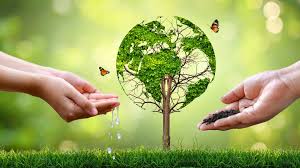
The environment isn’t just some distant backdrop—it’s the air filling our lungs right now, the water we drink, the soil growing our food, and the web of life that keeps everything balanced. I’ve walked through Lahore’s bustling streets on a hazy morning when the smog is so thick it stings your eyes, and I’ve also hiked in the northern hills where the air feels crisp and alive. Those contrasts remind me daily why protecting our environment matters so much. It’s not abstract; it’s personal. When we ignore it, we pay with our health, our economy, and our future. But when we act—even in small ways—we reclaim a bit of hope for ourselves and the kids playing outside today.
Why Our Environment Is Essential for Life
Our environment provides the fundamentals we often take for granted. Clean air, fresh water, fertile soil, and biodiversity form the foundation of human survival and well-being.
Without a healthy environment, basic needs collapse. Forests act as lungs for the planet, absorbing carbon dioxide and releasing oxygen. Oceans regulate climate and supply food for billions. Soils nurture crops that feed us all. When these systems degrade, everything from food security to disease resistance suffers.
The Importance of Protecting the Environment
Protecting the environment safeguards human health, supports economic stability, preserves biodiversity, and combats climate change. It’s about ensuring a livable planet for current and future generations.
Think about it: polluted air leads to respiratory issues, dirty water causes outbreaks, and lost biodiversity weakens ecosystems we depend on. Economically, nature contributes trillions annually through services like pollination, water purification, and disaster buffering. Ignoring protection means higher healthcare costs, reduced productivity, and lost opportunities.
I remember a family trip years ago to a once-pristine river now choked with plastic. The kids asked why the fish were gone. Explaining it felt heavy—it’s not just fish; it’s food chains, livelihoods, and joy disrupted.
Key Benefits of a Healthy Environment
A thriving environment delivers direct and indirect advantages that touch every aspect of life.
- Human Health: Cleaner air reduces asthma and heart disease risks; pure water prevents illnesses.
- Economic Gains: Healthy ecosystems support agriculture, tourism, and fisheries worth trillions globally.
- Climate Regulation: Forests and oceans absorb emissions, stabilizing temperatures.
- Biodiversity Support: Diverse species ensure resilience against pests, diseases, and changes.
- Mental Well-being: Access to nature lowers stress and boosts happiness.
These aren’t luxuries—they’re necessities. When we protect them, we invest in ourselves.
Current Environmental Challenges We Face
Today, the planet grapples with accelerating issues like climate change, pollution, deforestation, and biodiversity loss. In 2026, extreme weather intensifies, oceans warm rapidly, and emissions continue rising despite efforts.
Records show temperatures pushing past safe thresholds, with heatwaves, floods, and droughts hitting harder. Biodiversity declines as species vanish at unprecedented rates. Plastic and chemical pollution choke waterways, while habitat destruction fragments ecosystems. These aren’t future threats—they’re here, affecting millions daily.
How Human Activities Harm the Environment
Our daily choices and industrial practices drive most damage through overconsumption, waste, and resource exploitation.
Burning fossil fuels releases greenhouse gases, deforestation clears carbon sinks, agriculture uses excessive water and chemicals, and single-use plastics pile up in landfills and oceans. Urban sprawl fragments habitats, while poor waste management pollutes soil and water.
It’s easy to point fingers at big corporations, but individual habits add up too. That extra plastic bag or long drive contributes to the bigger picture.
Ways to Protect the Environment at Home
Small home changes create big ripples when adopted widely.
Start with the basics: switch to LED bulbs, unplug devices, and fix leaks. These cut energy use and bills.
- Reduce water waste by taking shorter showers and using low-flow fixtures.
- Compost kitchen scraps to enrich soil and cut methane from landfills.
- Choose reusable items over disposables—bags, bottles, coffee cups.
- Plant native trees or a small garden to boost local biodiversity.
I started composting last year after my neighbor laughed at my “garbage bin obsession.” Now, my plants thrive, and landfill trips are fewer. It’s satisfying.
Community and Individual Actions for Protection
Beyond homes, collective efforts amplify impact.
Volunteer for local cleanups, support eco-friendly businesses, and advocate for green policies. Bike or use public transport to reduce emissions.
- Join or start community gardens.
- Educate others—share tips with friends and family.
- Buy local and seasonal to cut transport emissions.
These build momentum. One person’s action inspires others.
Sustainable Practices for Daily Life
Adopting sustainability means mindful consumption and resource use.
Follow the three Rs: reduce, reuse, recycle. Prioritize quality over quantity. Opt for renewable energy if possible, like solar options.
Pros and Cons of Common Sustainable Choices
| Choice | Pros | Cons |
|---|---|---|
| Reusable bags/bottles | Cuts plastic waste, saves money | Initial cost, remembering to carry |
| Public transport/biking | Lowers emissions, healthier | Time-consuming, weather-dependent |
| Composting | Reduces landfill, enriches soil | Space needed, odor if mismanaged |
| Energy-efficient appliances | Long-term savings, lower bills | Upfront expense |
Weigh them—most pros outweigh cons over time.
Role of Governments and Policies in Protection
Governments set the framework through laws, incentives, and international agreements.
Policies like emissions standards, protected areas, and renewable subsidies drive change. International efforts, such as UN initiatives, coordinate global action.
Supporting eco-policies through voting matters. Strong regulations level the playing field for sustainable practices.
Comparison: Individual vs. Collective Efforts
Individual actions matter, but systemic change requires collective push.
- Individual: Direct, immediate (e.g., recycling saves resources personally).
- Collective: Broader scale (e.g., policy shifts reduce industrial pollution massively).
Both are essential—individuals spark movements, collectives enforce lasting change.
People Also Ask (PAA)
Why is it important to protect the environment?
It sustains life by providing clean air, water, food, and climate stability. Neglect leads to health crises, economic losses, and biodiversity collapse.
What are the main ways to protect the environment?
Reduce consumption, recycle, conserve energy/water, plant trees, support sustainable products, and advocate for policies.
How does protecting the environment benefit humans?
It improves health, reduces disaster risks, supports economies through resources, and enhances quality of life.
What happens if we don’t protect the environment?
Rising temperatures, extreme weather, species extinction, polluted resources, and threats to food/water security.
Can one person make a difference in protecting the environment?
Yes—small actions add up, influence others, and drive demand for larger changes.
FAQ
What is the single most important thing I can do to protect the environment?
Reduce your carbon footprint by cutting energy use, eating less meat, and choosing sustainable transport. It addresses climate change, a top threat.
How can kids help protect the environment?
Turn off lights, pick up litter, plant seeds, and remind adults to recycle. Education starts young.
Is recycling really effective?
Yes, when done right—it conserves resources and reduces landfill waste. Check local guidelines for best results.
Why focus on plastic pollution?
Plastics persist for centuries, harming wildlife and entering food chains. Cutting single-use items prevents buildup.
How does biodiversity loss affect me?
It weakens food systems, medicine sources (many drugs come from plants/animals), and ecosystem resilience against diseases.
Protecting our environment isn’t optional—it’s survival. Start small today: skip that plastic straw, walk instead of drive, plant something green. These acts connect us to something bigger. I’ve seen polluted rivers cleaned through community effort and smoggy days brighten with policy changes. Change happens when we act together. Our planet deserves that effort, and so do we.